There’s a moment in every major platform cycle where the market knows something big is coming – and still somehow underestimates it. We might be in one of those moments right now with NVIDIA.
Vera Rubin is in full production.
That’s not a roadmap item anymore. It’s not a teaser slide from a keynote. NVIDIA has said the Vera Rubin platform is ramping into full production and that Rubin-based products will be available from partners in the second half of 2026, with AWS, Google Cloud, Microsoft, and CoreWeave among the first to deploy rack-scale instances. The $1 trillion combined demand view for Blackwell and Rubin chips through 2027 – up from the prior ~$500 billion figure Jensen Huang referenced previously – puts a hard number behind what was previously a directional promise.
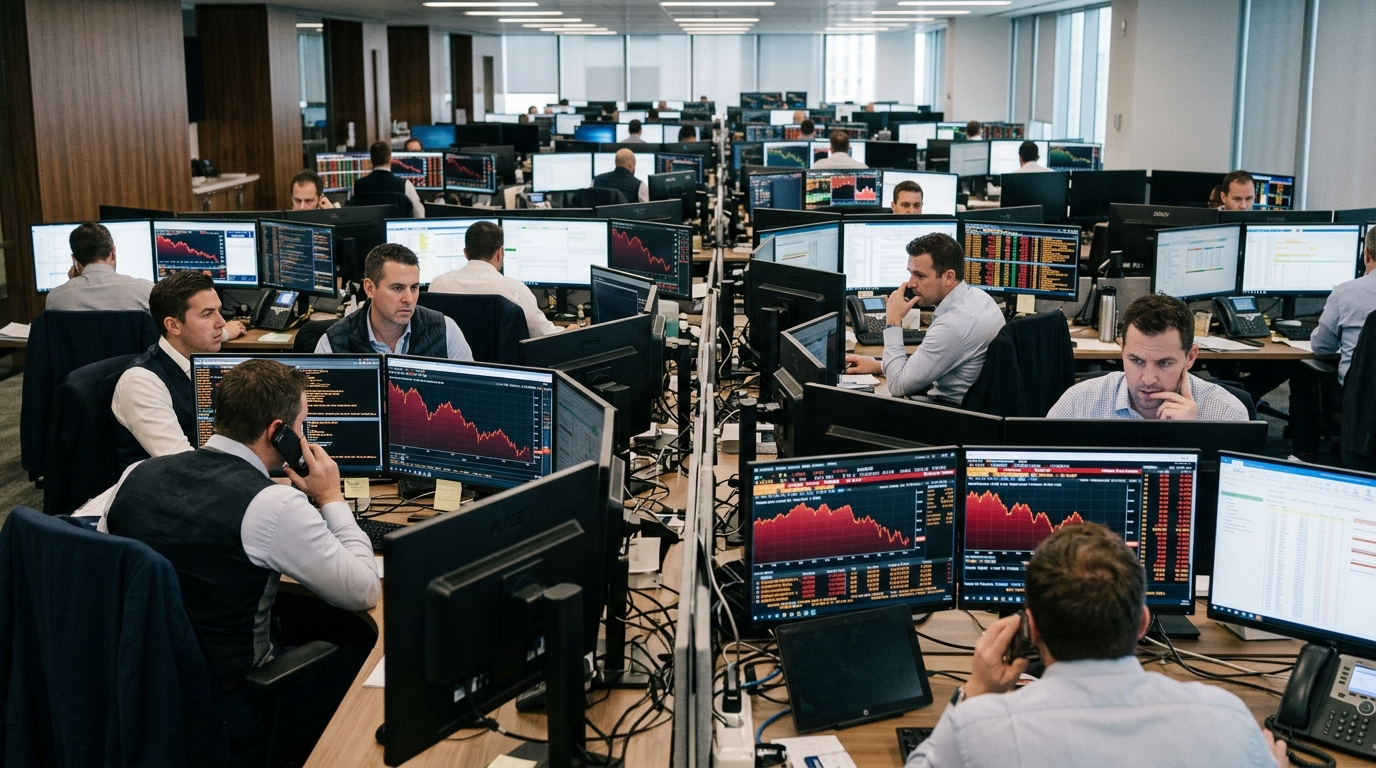
Slight tangent, but it matters: a lot of investors are fixated on the stock’s near-term performance and missing the bigger picture. NVDA has lagged the broader tech sector’s roughly 25% gain year-to-date even as the underlying business has arguably never been stronger. That kind of divergence tends to resolve eventually – and usually in one direction.
The Numbers That Matter Right Now
For fiscal Q1 2027, reported on May 20, 2026, NVIDIA posted $81.6 billion in revenue – up 85% year over year. Data center revenue alone hit $75.2 billion, up 92%, accounting for 92% of total sales. Gross margins held near 75%. Adjusted EPS came in at $1.87, beating consensus estimates (around $1.76–$1.77).
Jensen Huang’s words on the earnings call were unusually direct: “Agentic AI has arrived” – language he used to describe what he sees as a major shift in adoption and demand.
Meanwhile, sovereign AI – governments building national compute infrastructure – generated over $30 billion in fiscal 2026 revenue, more than tripling the prior year. Countries including France, the UK, and Germany have committed to large-scale Nvidia deployments. That’s a demand category that barely existed three years ago.
What Vera Rubin Actually Does
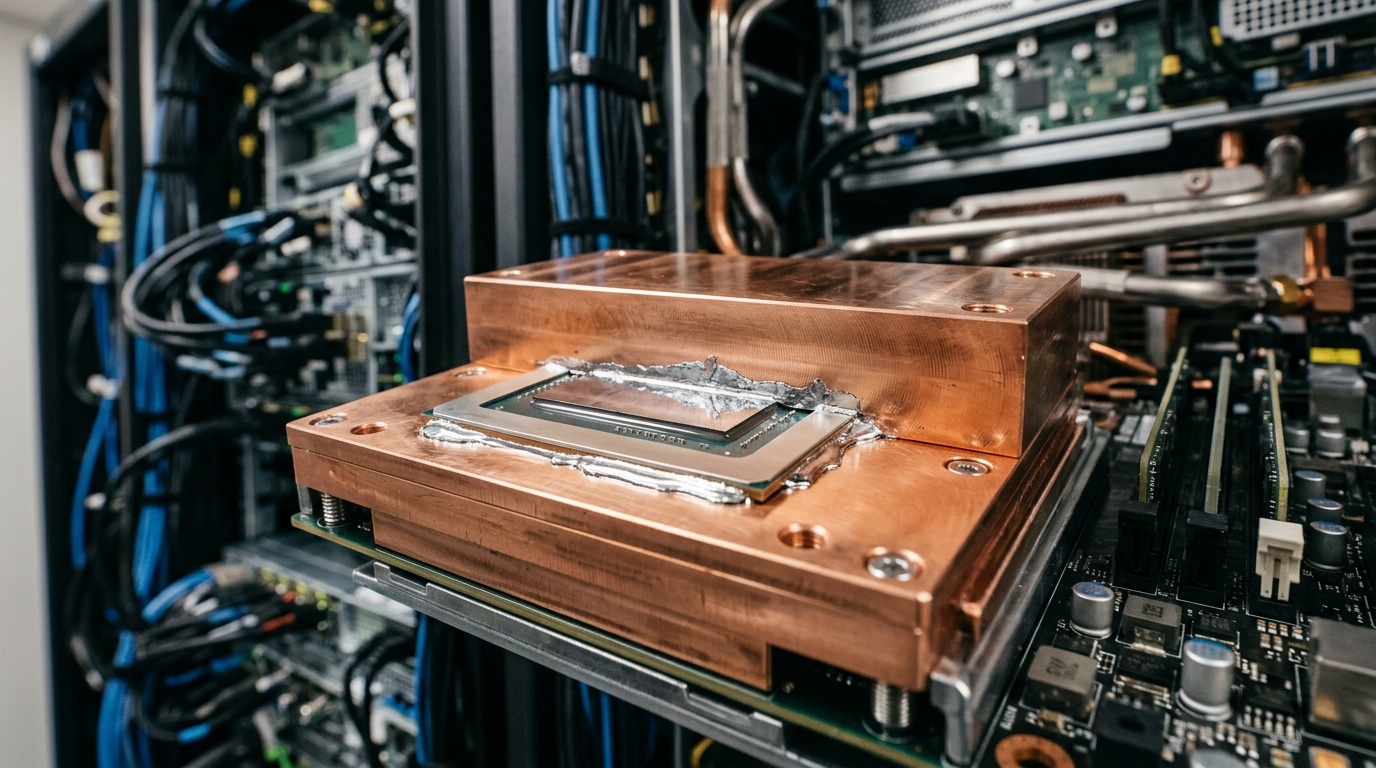
The NVL72 rack trains mixture-of-experts models with one-fourth the GPUs of the prior Blackwell platform. Inference throughput can be up to 10x higher per watt. Cost per token drops by a factor of ten. For the hyperscalers building out agentic AI infrastructure, those efficiency gains aren’t incremental – they’re structural.
Wedbush and UBS analysts have both noted that GPU demand is rising while manufacturing capacity continues to lag. Blackwell demand remained robust later in the product cycle than expected, which is an unusual characteristic for a chip generation and bodes well for Vera Rubin’s initial uptake.
There are roughly 50–60 analysts covering NVDA as of mid-to-late June, with sentiment running around the mid-90% range in favor of Buy. The consensus target implies meaningful upside from current levels – though the range is wide, which tells you the market agrees on direction, not magnitude.
The Part People Gloss Over
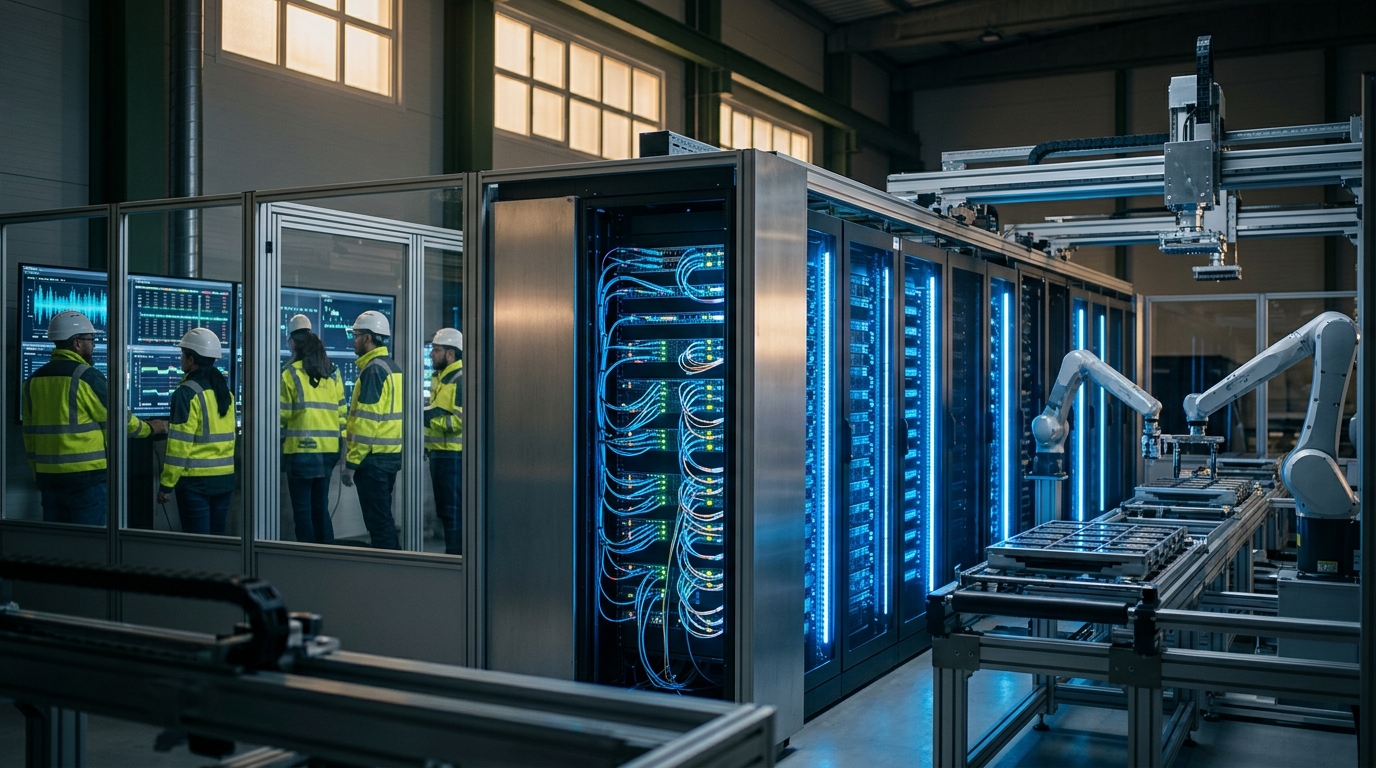
The robotics angle. NVIDIA just announced Halos for Robotics – the industry’s first full-stack safety system for physical AI. Analysts estimate the robotics security market could reach $200 billion by 2035. That’s not in anyone’s near-term model. It’s also not nothing.
The bear case is straightforward: hyperscalers are developing custom chips, China revenue is restricted, and there’s a legitimate debate about whether demand durability justifies the valuation. These are real risks. But the counter is equally real – NVIDIA remains the only platform running every major frontier AI model, inference is growing faster than training, and Vera Rubin ships into that exact demand environment.
What’s interesting is where the stock is relative to where the business is. The catalyst arrived. The income statement confirmed it. The stock has lagged tech for most of the year. That’s the situation investors are looking at right now – and the second half of 2026 is when Vera Rubin starts shipping at scale.
Worth a close look before that window opens.
This content is for informational and educational purposes only and does not constitute financial advice or a recommendation to buy or sell any security. Investing involves risk, including the possible loss of principal. Past performance is not indicative of future results. Always conduct your own due diligence before making investment decisions.