
Before a single Restaurant Depot warehouse transfers hands, Sysco has already told investors everything they need to know about the price of ambition. On Sunday night, the company priced 12,345,679 shares at $81.00 each, raising $1 billion in equity that closes today, September 16, 2026. The offering landed roughly 3% below the prior close of $83.54. That gap is not a rounding error. It is the market’s first invoice on a deal that management calls transformational.
Sysco priced the public offering of 12,345,679 shares at $81.00 per share and granted underwriters a 30-day option to purchase up to an additional $150 million of shares, with proceeds intended to finance a portion of its pending acquisition of Jetro Restaurant Depot. That equity raise is the smaller piece of a much larger financing puzzle. Sysco has said it plans to fund the cash portion of the transaction with $21 billion of new debt and hybrid debt, plus $1 billion of cash on hand, equity, or equity-linked securities.
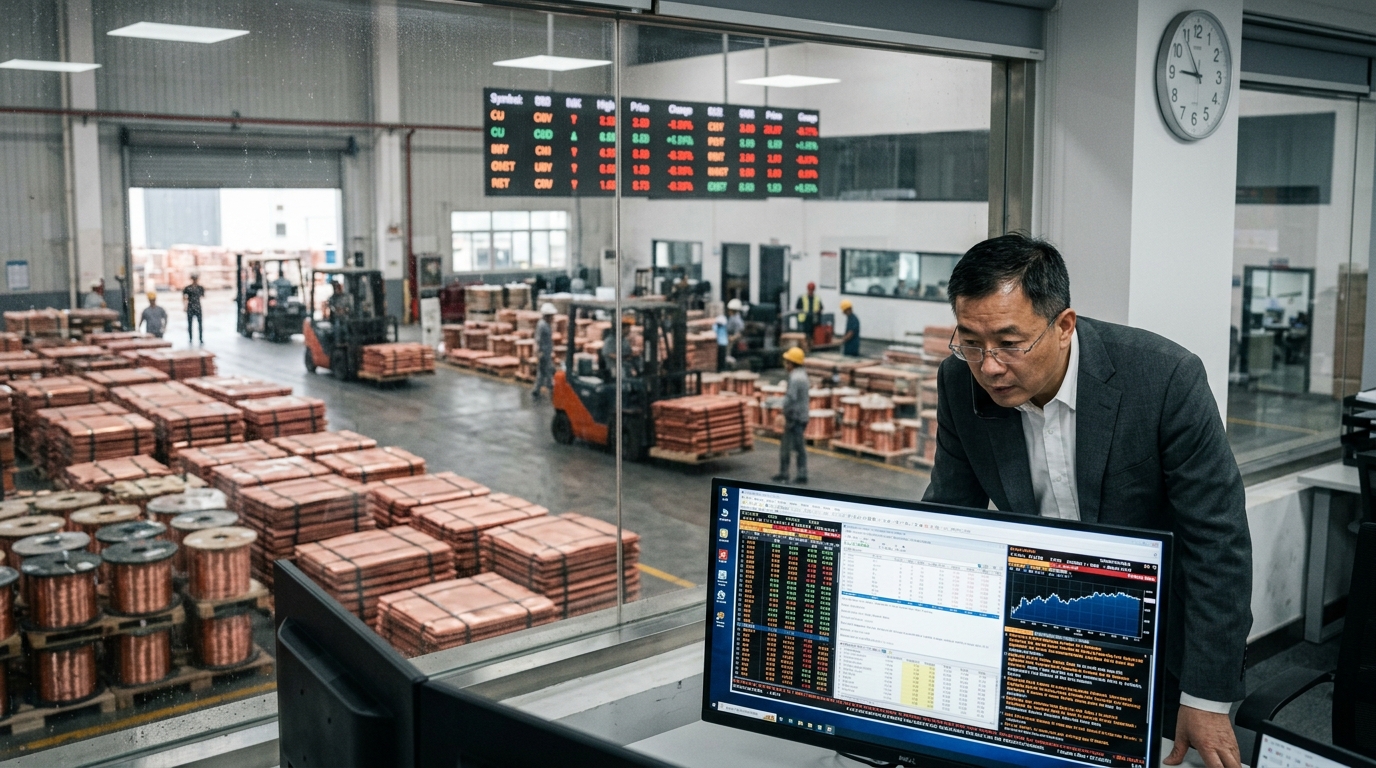
Why go through it? The target is genuinely compelling. Sysco has said Restaurant Depot generated approximately $16 billion in calendar 2025 revenue, about $2.1 billion in EBITDA, and about $1.9 billion in free cash flow, with free cash flow conversion of more than 90%. Sysco also said Restaurant Depot has 166 cash-and-carry warehouse locations. Sysco’s own distribution margins sit well below that. Management projects the combination will increase Sysco’s revenue by approximately 20%, adjusted EBITDA by approximately 45%, and free cash flow by approximately 55%, with margin expanding about 150 basis points to 6.7%.
The accretion math management is selling looks attractive on paper. Sysco expects the transaction to be mid-to-high single-digit accretive to adjusted EPS in the first year following close, and low-to-mid-teens accretive in the second year, supported by $250 million in annual net cost synergies by year three. Those synergies are modeled primarily on procurement savings and inbound supply chain optimization, plus Restaurant Depot’s planned new store openings. Sysco has also said revenue synergies beyond opening new stores are not included in the accretion targets, which means the bull case has room to grow if integration holds.
The debt load is where the story gets harder. Sysco has said expected leverage will reach about 4.5x net debt to EBITDA at deal close, with management planning to reduce net leverage by at least 1.0x within 24 months and targeting 2.75x longer term. Every month that deleveraging runs behind schedule is a month the interest bill eats into the promised accretion. Sysco has also warned investors in SEC filings that the transaction-related debt could limit its liquidity and financial flexibility.
Sysco has paused its share repurchase program, prioritizing balance sheet repair and stating an intention to reduce net leverage by at least 1.0x within the first 24 months after the deal closes. The suspension removes a consistent source of demand for Sysco shares, further weighing on sentiment at a time when the company is issuing new stock at a discount and taking on substantial debt.
Regulatory risk has not disappeared either. Sysco disclosed that it and Jetro Restaurant Depot received a second request from the FTC on May 27, 2026, which extends the waiting period until 30 days after substantial compliance unless terminated earlier. CEO Kevin Hourican has argued that delivery and cash-and-carry are distinct channels with ample competition from Costco, Sam’s Club, and independent operators. A federal court blocked Sysco’s earlier attempt to buy US Foods in 2015. The FTC may not agree this time either.
On the standalone business, the foundation is solid. In its August 4, 2026 results release, Sysco reported fourth-quarter fiscal 2026 net sales of $21.9 billion, up 4.7% year over year, and adjusted EPS of $1.53. Sysco also said U.S. local case growth improved to 2.9% in the second half from 0.5% in the first half. Management has guided fiscal 2027 adjusted EPS to approximately $5.02 to $5.12, representing 9% to 11% growth on a 53-week basis. That guidance is for the core Sysco business on a stand-alone basis and excludes any Restaurant Depot contribution.
What to watch: the pace of FTC review, the rate at which Sysco refinances the bridge loan underpinning the debt package, and whether fiscal 2027 standalone EPS actually lands inside that $5.02 to $5.12 range. If the core business stumbles while leverage sits at 4.5x, the promised accretion shrinks fast. If regulators clear the deal and execution holds, the earnings uplift is real. Today’s $81 offering is the price of finding out which scenario plays out.