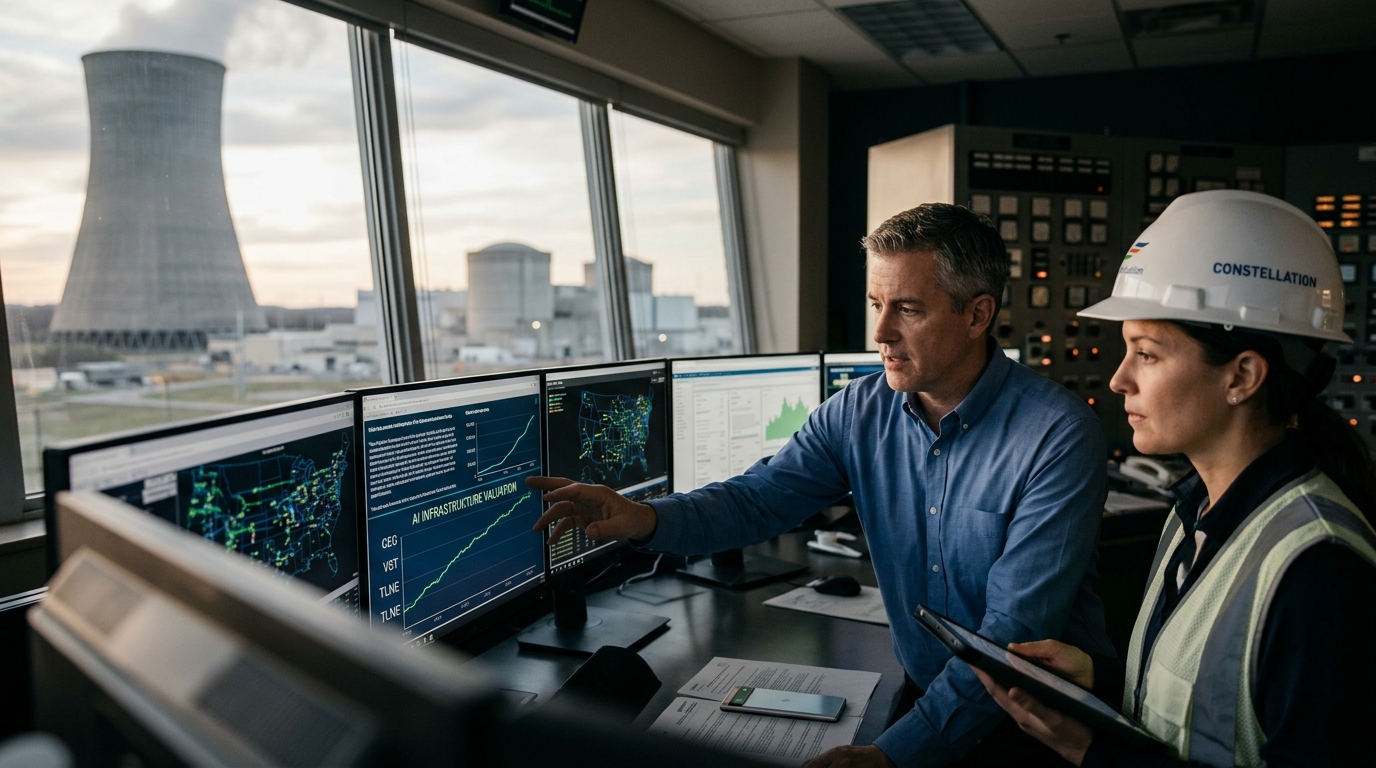
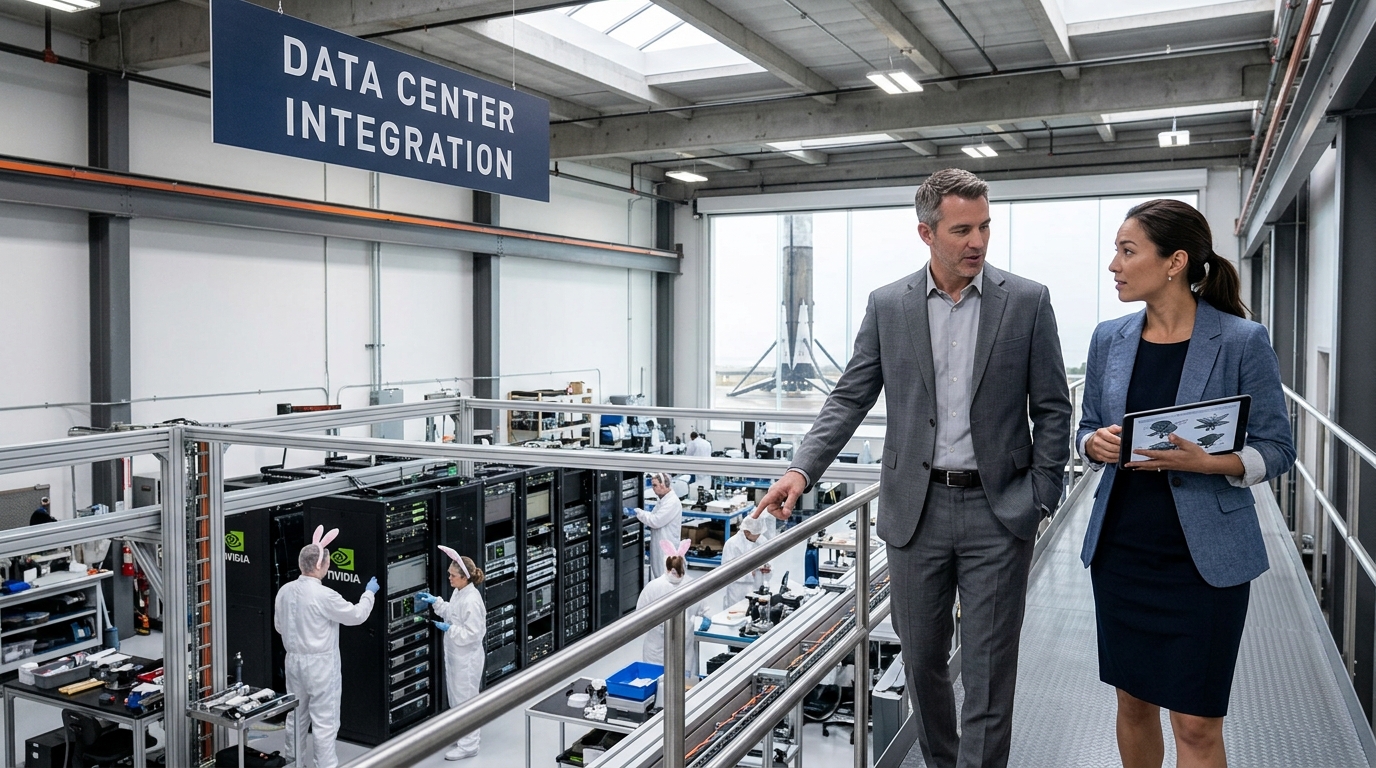
The question credit investors are asking this week is not whether SpaceX can build data centers. It is whether raising $40 billion against Nvidia chips, to a company still burning through capital at a furious pace, is sound underwriting or a bet dressed up in investment-grade clothing.
SpaceX is seeking roughly $10 billion in bank loans and $30 billion in investment-grade debt to finance the chip purchases, according to a Financial Times report cited by multiple outlets. Apollo is expected to lead the deal and help place the debt with a broad range of investors, with Pimco among a small group of lenders in talks, and the transaction expected to close in 2027. SpaceX shares fell about 1.9% in pre-open trading following the report.
Why Wall Street Cares
This is not Apollo’s first time in this position. The firm has already financed Nvidia GPU clusters leased to xAI, including a $3.5 billion financing announced in January 2026. But those were small. A $40 billion raise, structured primarily as investment-grade debt and placed with a broad pool of bond investors, is a different order of magnitude. Morgan Stanley has estimated a $1.5 trillion external financing gap for AI infrastructure through 2028. The SpaceX deal, if it closes, will be one of the largest single transactions in that build-out.
The Bull Case
SpaceX’s CFO has supplied the most important number in this debate. CFO Bret Johnsen has said new compute spending has paid back in less than a year, and the company expects over $100 billion in annualized revenue by December 2026. That claim is not purely aspirational. By December 2026, SpaceX is projected by some analysts to generate over $3.4 billion per month, or about $41 billion annually, from AI compute capacity deals. Anthropic signed a deal to pay about $1.25 billion per month to rent compute from SpaceX’s Memphis-area data center capacity tied to xAI’s Colossus 1. Contracted cash flows of that size give lenders something real to underwrite against.
The company plans to use Nvidia hardware exclusively to build its data centers, according to reporting on the proposed financing. That commitment tightens the vendor relationship and, importantly, may make Nvidia a structural partner in keeping the collateral valuable. Nvidia partnered with Apollo, BlackRock, Blackstone, Brookfield, Goldman Sachs and KKR in August 2026 on financing platforms intended to mobilize more than $500 billion for AI infrastructure projects.
The Bear Case
The structure requires a leap of faith that makes some institutional credit desks uncomfortable. SpaceX disclosed that its AI segment posted about a $6.4 billion operating loss in 2025 on about $3.2 billion in revenue. Separately, xAI’s operating margin deterioration and related run-rate claims are difficult to verify from public primary disclosures.
AI infrastructure is capital intensive, technologically dynamic, and potentially vulnerable to rapid obsolescence. Chips that appear scarce today could become less valuable if technology changes, supply expands, or model architectures become more efficient. Apollo itself has linked broader AI credit risk to debt-funded AI infrastructure, negative forward free cash flow, and uncertain returns on depreciating assets. The firm is simultaneously warning its own clients about the category it is leading.
What Investors Are Missing
The hidden issue is not default risk on SpaceX itself. It is what this deal signals about the state of AI financing discipline. Apollo executives have argued that AI companies will turn to debt markets far sooner in their lifecycles than software predecessors ever did, because building AI requires physical infrastructure on a scale that equity financing alone cannot comfortably absorb. That logic is sound. The concern is that the template is being extended before the first generation of deals has seasoned.
SpaceX’s exact price-to-sales ratio and any comparison to a historical median are not consistently supported across mainstream market-data sources. Bond investors buying into a $30 billion investment-grade tranche are, in effect, underwriting a growth story from the senior side of the capital structure. If compute pricing compresses or a major lease counterparty renegotiates, the math gets difficult quickly.
Stocks to Watch
SPCX. The equity sold off on dilution and leverage concerns, not on doubt about the compute strategy itself. The average 12-month consensus price target sits at $227.54, implying about 36% upside from recent levels. The bull and bear cases here are the same trade.
NVDA. An exclusive, $40 billion hardware commitment from one of the world’s most visible companies is the clearest demand signal Nvidia has received since hyperscalers began their own build-out. The stock rose modestly on the news, a muted reaction that suggests markets already price in sustained AI chip demand at this scale.
APO. Apollo is simultaneously the arranger, a prior lender to the same borrower, and, separately, a public voice warning about AI credit risk at hyperscalers. How it prices and structures this deal will reveal more about institutional AI lending standards than any single transaction in the cycle so far.