The number that matters this morning is not €100. It is 19.
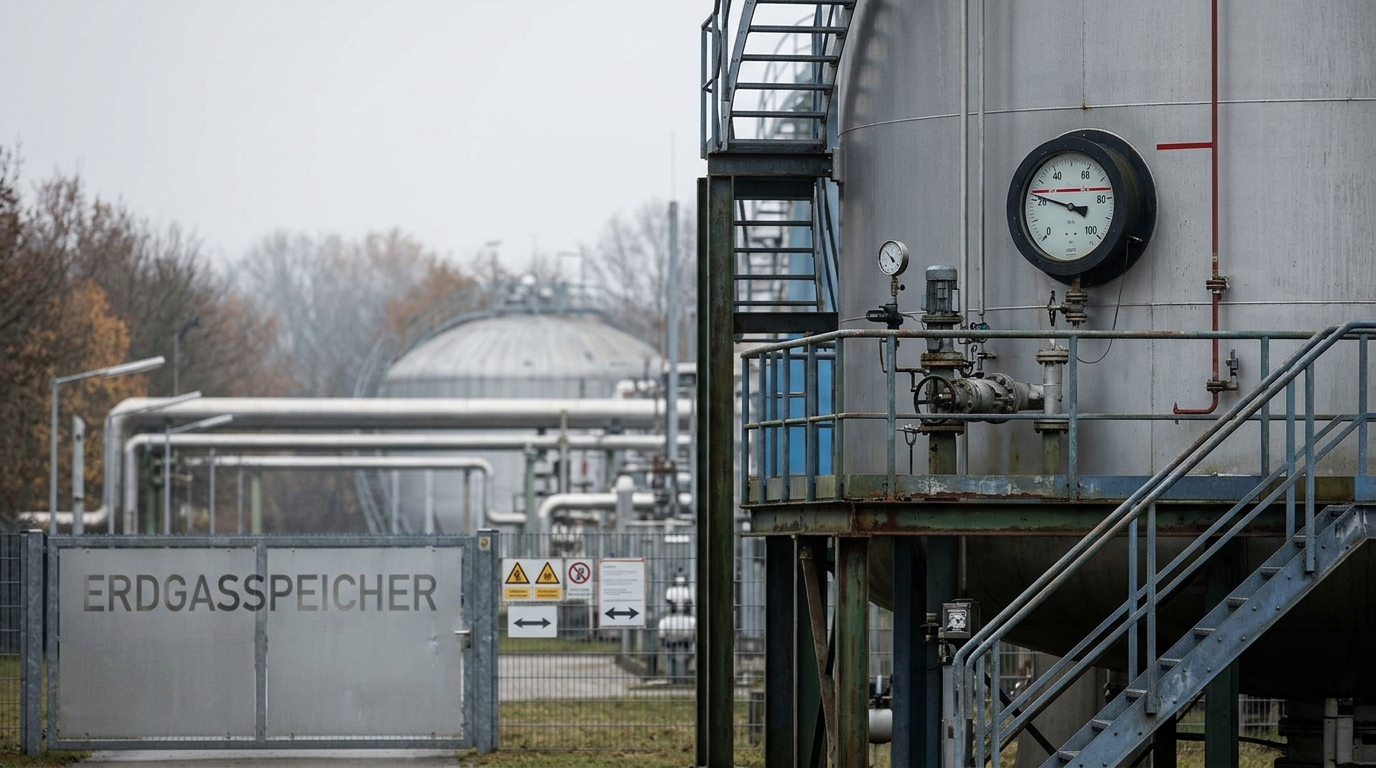
Germany entered November with gas storage at 61.17%, against an 80% target Germany had set for November 1. That is a 19-point miss on that target, and it lands against a longer backdrop: Germany’s typical seasonal level for this time of year is closer to the low-90s rather than the low-60s. The shortfall is not a rounding error. It is a structural gap that has opened over months and is now colliding with the start of the heating season.
Across the EU, storage entered winter at roughly 75% full, well below recent norms. Germany, Europe’s largest economy and home to an energy-intensive manufacturing sector, is particularly exposed if winter demand spikes, with gas buffers trailing the EU average.
What Actually Moved
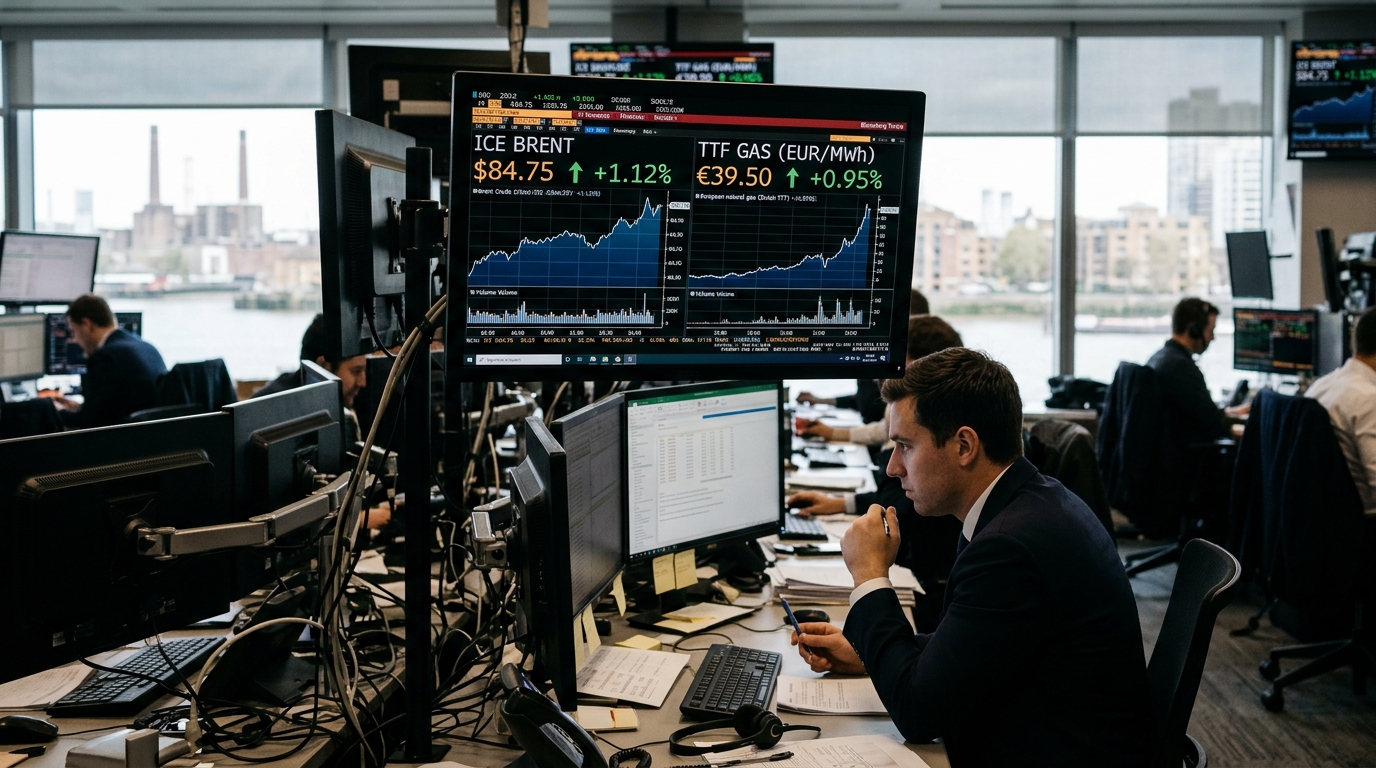
TTF fell back slightly to about €102 per MWh on November 2, down less than 1% from the previous session. That retreat does not change the picture. Over the past month, front-month TTF is up by roughly 35% to 40%, and up a little more than 200% from the same time last year. The market crossed €100 before November even began, and colder weather is now in the forecast for large parts of northern and central Europe.
Why It Happened
The cause is not a single event. It is a sequence. After drone strikes hit Qatar’s Ras Laffan complex earlier this year, QatarEnergy suspended LNG output and declared force majeure on deliveries, tightening a market that Europe relies on to backfill lost pipeline supply. Shipping through the Strait of Hormuz has also been heavily disrupted since late February, which has kept a risk premium embedded in European gas pricing. The result: Europe arrived at November without the cushion it needed.
Cheniere’s management said on its third-quarter call that Europe would require approximately 69 million tons of LNG this winter, about a 7% increase from last winter, just to maintain a storage buffer. That incremental volume has to come from somewhere. TotalEnergies CEO Patrick Pouyanné has said higher U.S. LNG production is helping but cannot fully replace Qatari supplies for Europe this winter.
What the Market May Be Missing
The price level is visible. The compounding mechanism is not. Forecasts still point to an end-of-winter storage level that could land uncomfortably low, leaving Europe restocking from a depleted position next spring, when competition with Asian buyers for Atlantic cargoes typically intensifies.
European equities have not fully absorbed this. Eurostat reported that euro zone industrial production dropped 1.5% in January 2026, with Germany, Italy and Spain all reporting contractions. German industrial production also remains meaningfully below pre-crisis levels, and a winter that burns through storage faster than expected would keep the pressure on.
Where It Shows Up
Bank of America has pointed to RWE and Engie as key buy-rated names within EU utilities, both positioned to benefit from trading conditions when wholesale gas volatility is high. This reflects the trading upside from elevated wholesale prices. The risk is that a demand-destruction outcome, not a supply-recovery outcome, arrives first.
For Cheniere, the supply gap is commercially useful: the company has guided full-year distributable cash flow of $6.05 billion to $6.55 billion, reflecting higher balance-of-year LNG netbacks ahead of the winter heating season. The higher TTF goes, the wider the spread against Henry Hub and the more attractive spot diversions to Europe become.
Risks and Counterpoints
The bearish case for gas prices rests on two developments. First, any durable easing of the Strait of Hormuz disruption would allow more Qatari cargoes to move and compress the supply premium quickly. Germany’s Economy Ministry has said its gas supply is secure for the coming winter at current storage levels, and the Federal Network Agency has said it considers the risk of a stressed gas supply to be low. Second, a mild or wind-rich November would slow withdrawal rates and give the continent more breathing room than the storage numbers imply.
What to Watch Next
Three things matter most from here. Temperature forecasts for the next four weeks determine the withdrawal pace more than any policy statement. Second, any signal that Qatari LNG is moving through the Strait again would quickly reset winter futures. Third, Engie reports nine-month 2026 results on November 5, and alongside Uniper’s nine-month update on November 10 these will offer the clearest corporate read yet on how energy-intensive European operations are absorbing €100-plus gas.