Hey there, bargain hunter. Everyone already owns Eli Lilly (LLY) or wishes they did. But the more interesting 2026 trade is not the drug itself – it is everything the drug disrupts, enables, and creates downstream.
Scoreboard
Eli Lilly’s Zepbound and Mounjaro combined generated over $6.5 billion in Q1 2026 revenue, with full-year GLP-1 guidance raised to $28 to $30 billion. Novo Nordisk (NVO) Wegovy U.S. prescriptions are running at approximately 1.3 million per month. The global GLP-1 market is projected to hit $130 billion annually by 2030, per Morgan Stanley research published in early 2026.
The Real Story: Second-Order Effects
Weight loss at this scale is not just a pharma event. It is a macro event. Consider what is already happening in the data:
- Medtech losers: Resmed (RMD) and Insulet (PODD) have faced multiple compression as GLP-1 drugs reduce sleep apnea and insulin dependency
- Medtech winners: Surgical robotics firms like Intuitive Surgical (ISRG) are seeing procedure volume increase as healthier patients become better surgical candidates
- Consumer staples disruption: Snack food companies including Mondelez (MDLZ) and Kellanova are quietly reformulating portion sizes and caloric profiles, acknowledging GLP-1 users eat less per sitting
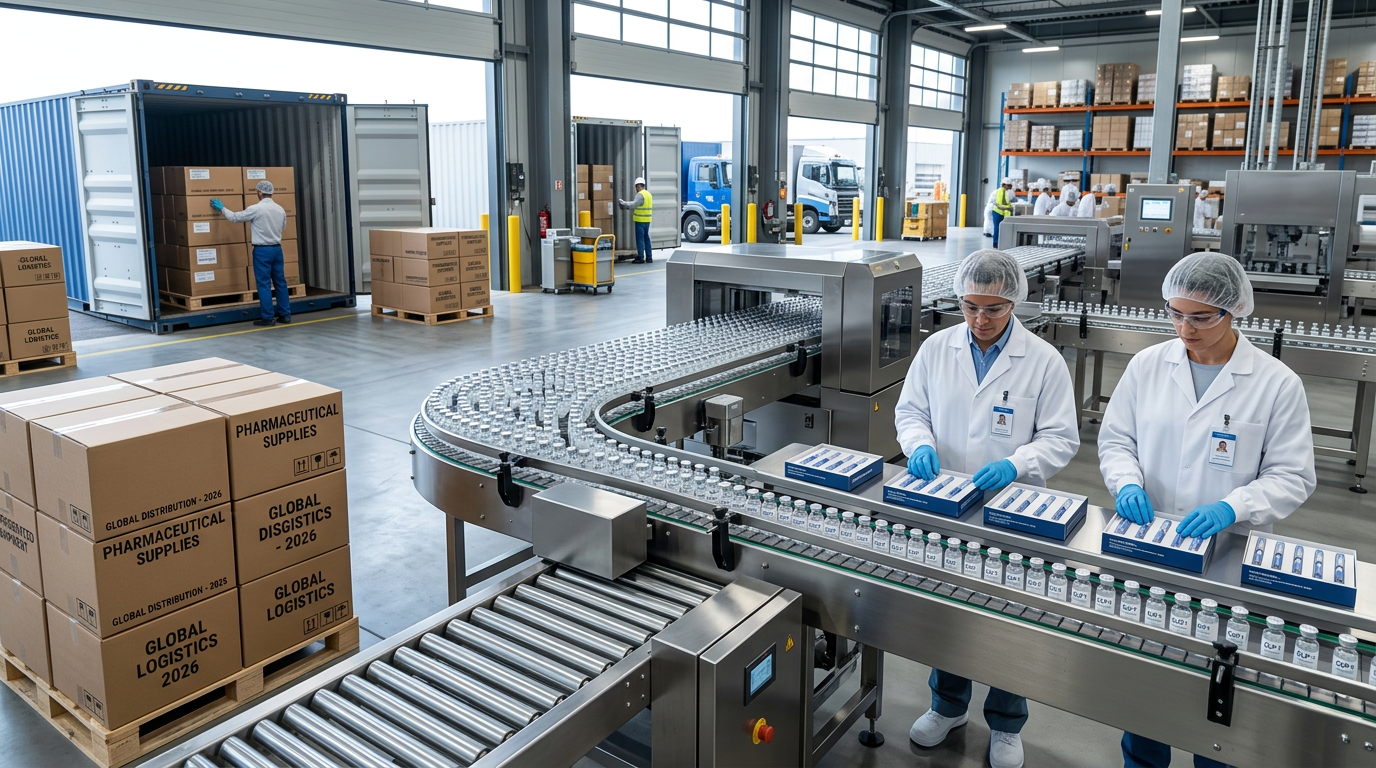
- Contract manufacturing: Samsung Biologics and Catalent (now Novo-owned) are the quiet infrastructure plays supplying fill-finish capacity
Valuation Check
Lilly at 45x forward earnings is priced for perfection. Novo Nordisk has pulled back nearly 22% from its 2025 highs on oral semaglutide trial data noise, making it the more interesting entry point today at roughly 24x forward earnings. That is a rare moment of relative value in a sector that rarely offers any.
Action Plan
The bargain hunter’s playbook here is buy the supply chain, not the headline drug stocks. Look at contract development and manufacturing organizations (CDMOs), specialized packaging firms, and cardiac care companies that benefit from a healthier patient population. These names trade at 15 to 22x earnings with GLP-1 tailwinds that the market has not fully priced.
Bottom line: GLP-1 is a decade-long structural shift, not a trade. If Lilly and Novo maintain pricing power and manufacturing scale through 2027, the second-order supply chain plays are where the asymmetric value lives right now.