The real barrier to solid-state batteries in long-haul trucks is not chemistry. It is sintering.
Electric semi trucks are moving from port drayage into working freight lanes in 2026, with production models now quoting roughly 500 to 800 kilometers of range at full gross weight. That range is enough to cover a European driver’s full legal driving day, but it typically requires battery packs well above 600 kWh. The weight penalty from packing that much lithium-ion chemistry into a truck eats directly into payload. Solid-state batteries, with practical targets around 350 to 500 Wh/kg versus roughly 150 to 250 Wh/kg at the pack level for today’s lithium-ion systems, are the only chemistry that plausibly solves the energy-density problem without surrendering cargo capacity.
The patents around electrolyte materials are well understood. What is less discussed is who controls the process IP, because that is where the real bottleneck sits.
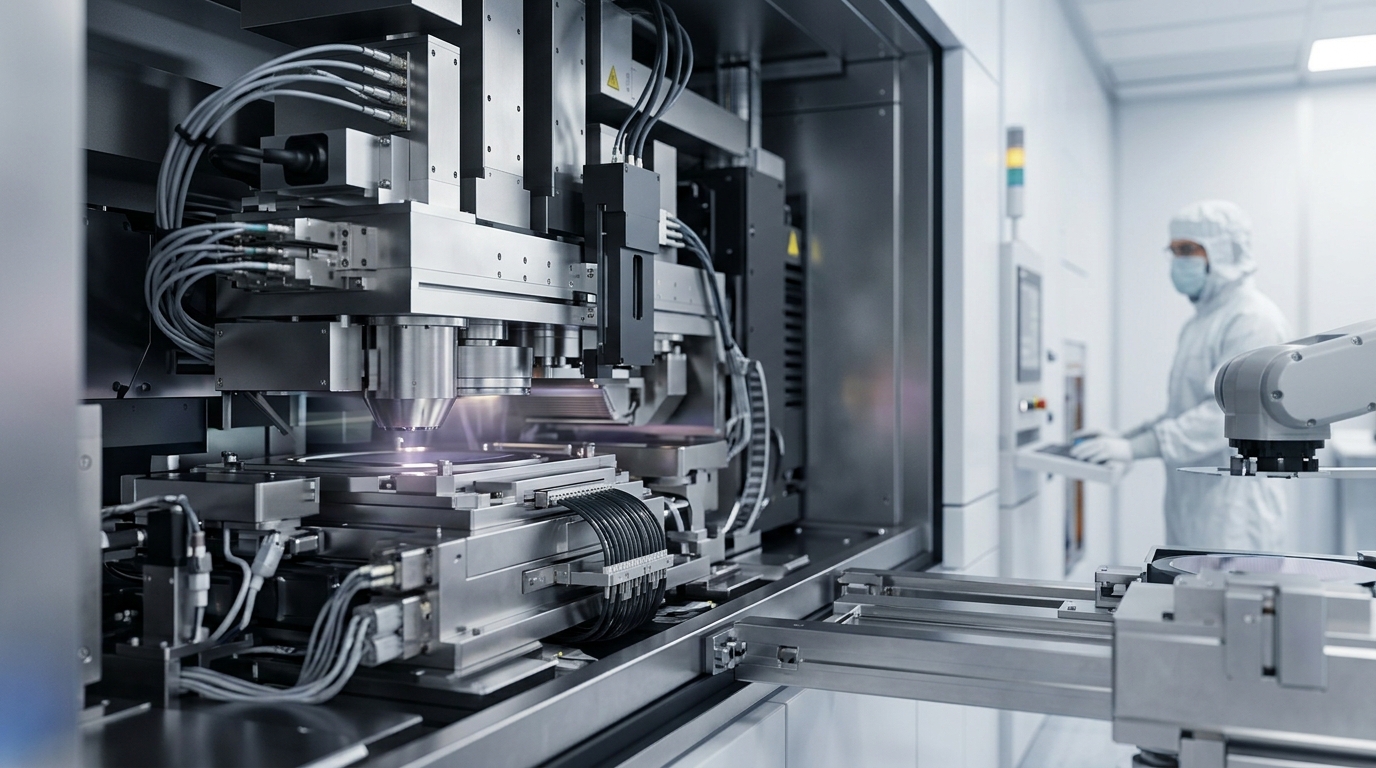
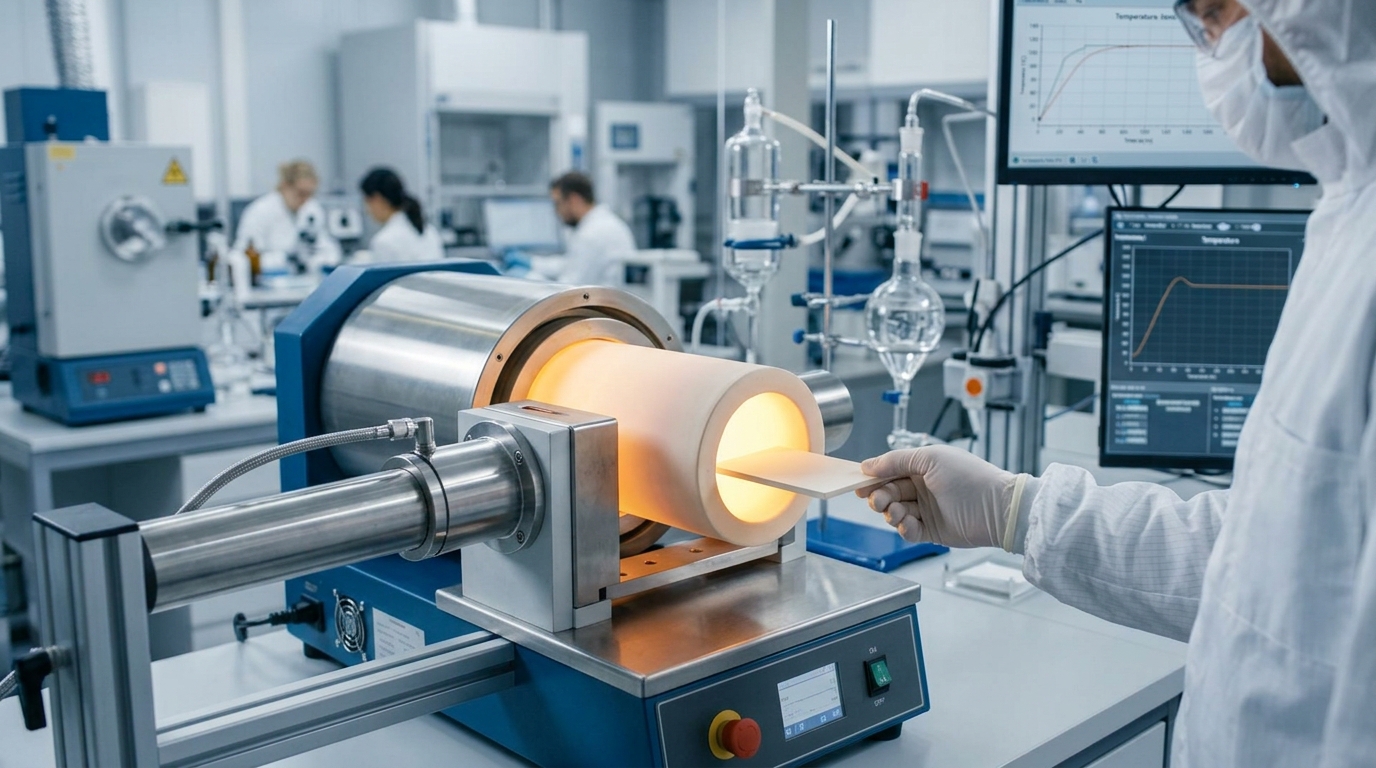
Oxide-based ceramic electrolytes, particularly garnet-type LLZO, offer the widest electrochemical stability window and the best thermal tolerance, making them a logical candidate for the temperature stresses of long-haul freight environments. The problem is manufacturing. Pure LLZO commonly requires sintering above about 1,050 degrees Celsius. Conventional high-temperature sintering can cause lithium volatilization, nonuniform densification, and grain-boundary resistance, each of which degrades ionic conductivity at scale. The cubic LLZO phase, which conducts lithium ions far better than the tetragonal phase, is notoriously difficult to stabilize. These are not theoretical problems. They are the current commercial ceiling.
The companies moving fastest on sintering process IP are not the ones building trucks. In June 2026, Dragonfly Energy said it received a notice of allowance from the European Patent Office for a dry powder coating process covering layers that can include solid-state electrolyte layers. Separately, the company said it received a notice of allowance from the U.S. Patent and Trademark Office for a different solid-state battery-related patent application. Research published in ACS Applied Materials & Interfaces in July 2026 demonstrated reactive laser sintering of LLZTO electrolytes, achieving about 95% relative density on subsecond time scales, a potential manufacturing inflection if it scales.
Among publicly traded pure plays, Solid Power (SLDP) is building directly around process, not just material. Its sulfide-based electrolyte uses a wet-process methodology designed for higher-throughput production. The company says it is scaling from 30 metric tons of annual pilot capacity toward 75 metric tons by year-end 2026, has more than 100 pending U.S. patent applications plus trade secrets and know-how tied to its approach, and has said it expects to announce a commercial-scale joint venture in Korea by year-end 2026. Earnings on November 3 are the next hard catalyst.
The risk is real. Total revenue and grant income for the first half of 2026 was $2.8 million, down 79 percent year over year. Commercialization timelines have slipped repeatedly across the entire solid-state industry. Samsung SDI is using Solid Power electrolyte inside cells now under a joint evaluation agreement with BMW, which matters. But buying the stock means betting that the Korea joint venture closes, the pilot line validates, and the freight industry eventually demands the energy density that only this chemistry class can deliver.
The electrolyte processing IP is the asset. The question is timing.