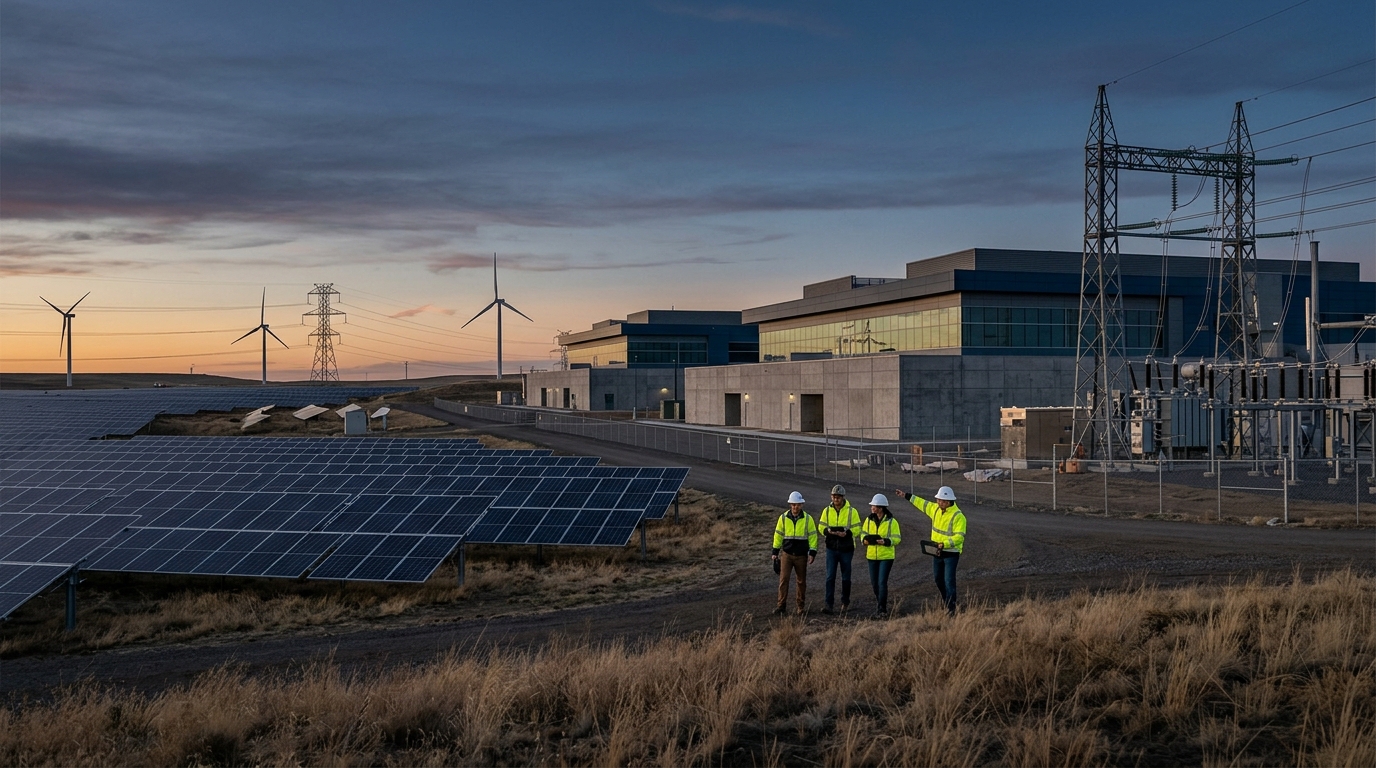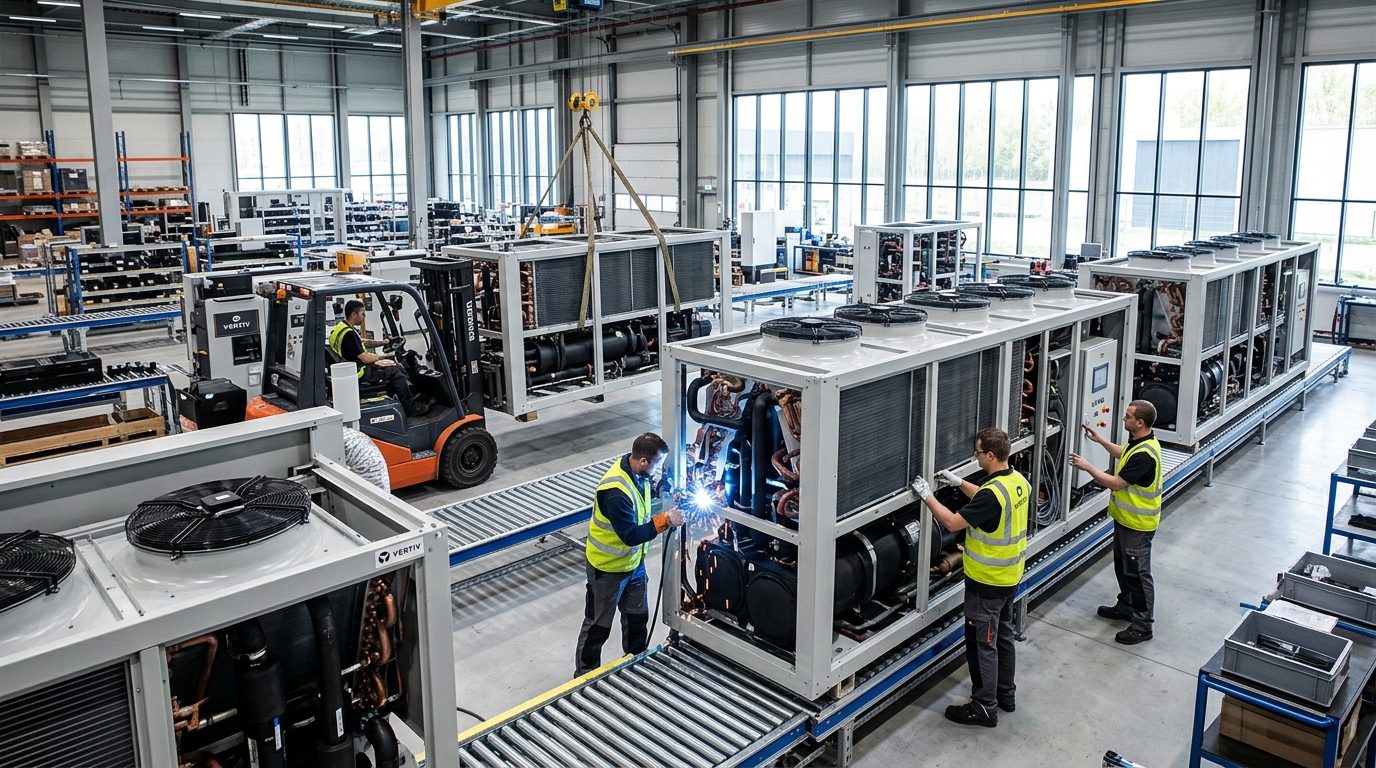
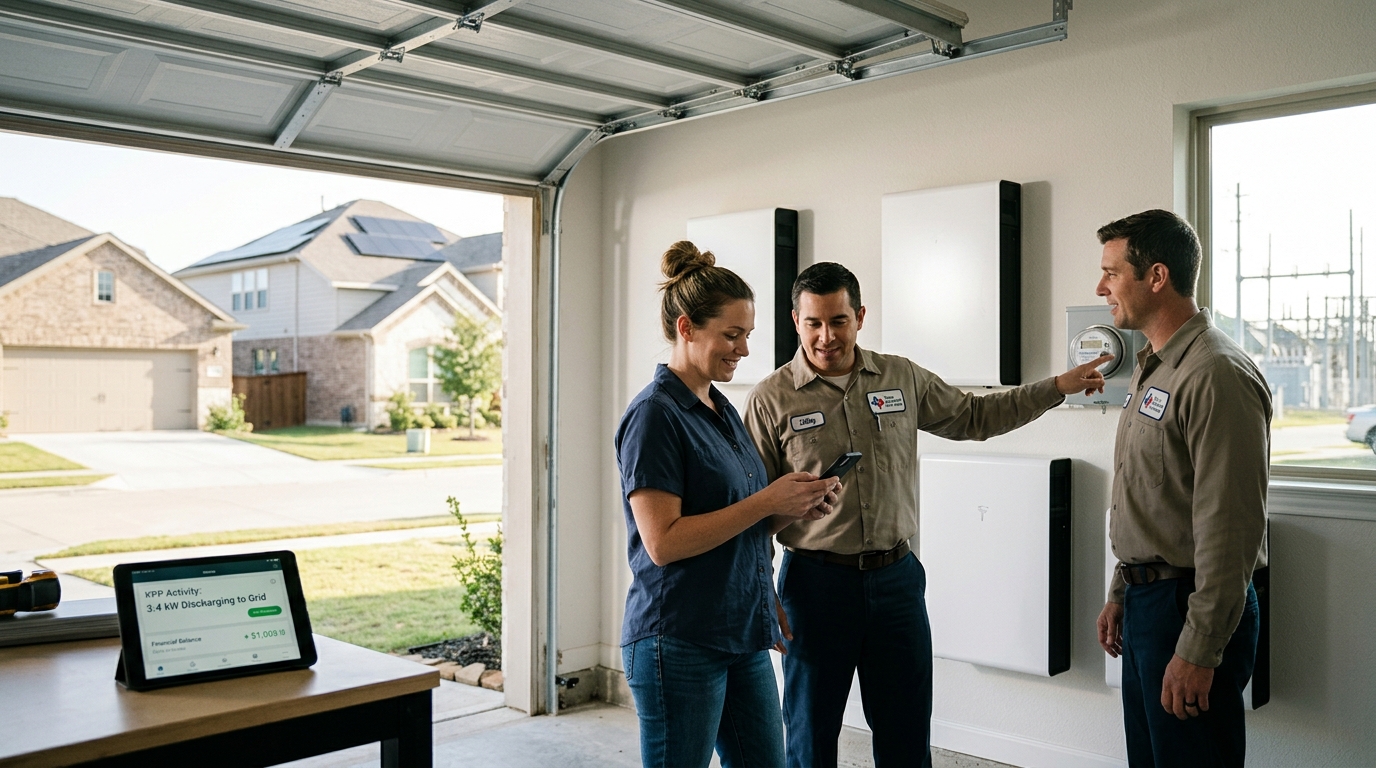
The power plant keeping a Texas factory running this summer may be bolted to a garage wall in a subdivision forty miles away. That is not a hypothetical. It is what virtual power plant aggregators are building right now, and the financial logic behind it deserves far more attention than it is getting.
Historically, demand-response capacity has skewed heavily toward commercial and industrial customers, and residential participation has been smaller. A major change is underway as residential aggregation enters the mainstream, giving everyday households the collective power to step in and protect the grid from mounting industrial strains. The numbers behind that shift are large enough to matter to investors.
The global VPP market is now commonly estimated in the $7 billion range for 2026, with several research firms projecting low-20% compound annual growth rates. Claims that California has already enrolled “over 42 GW” of VPP capacity are not supported by the state’s public reporting. California has expanded demand response and behind-the-meter aggregation meaningfully, but it is not operating a residential VPP fleet on the order of tens of gigawatts.
Real events are proving the model. During the June 2025 “heat dome” that swept the eastern United States, on one of the region’s highest demand days, Utility Dive reported that Sunrun dispatched more than 340 MW from customer-sited batteries on the evening of June 24, and that EnergyHub shed 900 MW of peak load and shifted 3.5 GWh of energy away from the highest-demand periods. Those are not pilot-program numbers. That is grid-scale performance drawn from residential rooftops.
The commercial model rewarding homeowners is maturing quickly. Home batteries enrolled in VPP-style programs can earn hundreds to over $1,000 per year depending on system size, event performance, and program rules, with ConnectedSolutions summer incentive rates commonly cited at $225 per kilowatt. In Texas, El Paso Electric and Base Power announced a residential distributed energy storage pilot intended to bring up to 10 MW of capacity online ahead of the 2026 summer peak to address localized capacity constraints. Separately, sonnen has said its Texas aggregation is scaling toward several thousand participating households and roughly 600 MWh of flexible distributed storage capacity, as it expands the program.
The policy architecture is catching up to the commercial reality. In Massachusetts, the Department of Energy Resources has published a 2026 “Peak Potential” load-management policy package that explicitly includes virtual power plants. In Minnesota, the “$430 million” figure applies to Xcel Energy’s Capacity Connect initiative that stakeholders have cited as approved by the Minnesota Public Utilities Commission on April 2, 2026. Overall VPP capacity in North America grew 13.7% to 37.5 GW, according to Wood Mackenzie, though Wood Mackenzie also cautioned that deployments are broadening faster than they are deepening.
For investors, the opportunity sits across several layers: residential battery manufacturers supplying the hardware, aggregation software platforms orchestrating dispatch, and the utilities that must either partner with or compete against third-party aggregators for capacity. In vertically integrated states, investor-owned utilities earn regulated returns on physical infrastructure, so VPPs that defer substation upgrades or peaker-plant construction can create real tension with traditional utility investment models. That is precisely why the regulatory fights in state legislatures are worth watching.
The wealth takeaway is straightforward: the grid’s emergency backstop is shifting from centralized peaker plants that can cost hundreds of millions to build, toward software-coordinated networks of assets that already exist in millions of American homes. The companies controlling that coordination layer can build durable, recurring revenue streams with relatively little physical capital. That is a business model worth understanding before it is fully reflected in market valuations.